If a pipe bursts, shut off the main water valve first. Then turn off the water heater and any power near the water, document the damage, and call both a plumber and a restoration company. Speed matters because a burst line can release hundreds of gallons in an hour, and all of it soaks into drywall, insulation, and subfloors.
Here are the 10 steps in order:
- Shut off the main water valve.
- Turn off the water heater if a hot water line failed.
- Cut power to the wet area only if it is safe to reach.
- Open faucets to drain the lines and relieve pressure.
- Photograph and video the damage before moving anything.
- Move belongings out of the water and keep people clear of sagging ceilings.
- Remove small amounts of standing water you can handle safely.
- Call a plumber to repair the pipe.
- Call a restoration company to remove the water and dry the structure.
- Notify your insurance company.
The rest of this guide explains why each step matters, and what to avoid.
The First 10 Minutes: Stop the Water and Stay Safe
Close the Main Shutoff Valve
Every minute the water runs makes the damage worse, so this comes before anything else. In many Plano homes, the main valve sits in the garage, often on the wall closest to the street. Other common spots are near the water heater, in a utility closet, or on an exterior wall. Our guide on how to find your main water valve walks through each location.
Turn the valve fully clockwise. If it is stuck or you cannot find it, the city water utility can shut off the supply at the meter. Call them right away and keep looking while you wait.
To confirm the water has actually stopped, check your water meter. If the dial keeps moving with every fixture off, water is still flowing somewhere.
Watch for Electrical Hazards
Water and electricity are a dangerous mix. If water is near outlets, appliances, or your breaker panel, do not touch them.
Turn off power to the affected area at the panel only if you can reach it from a dry spot. If the panel itself is wet, or you would have to stand in water to reach it, stay out and call an electrician or your utility.
Shut Off the Water Heater
If a hot water line burst, switch off the water heater as well. For an electric unit, turn off its breaker. For a gas unit, turn the control to the off or pilot setting. A heater that keeps running while its tank drains can damage its heating elements and add a second repair to your list.
The First Hour: Limit the Spread
Relieve the Pressure
Open a faucet on the lowest level, then a few upstairs, to drain the water left in the lines. This eases pressure and reduces how much leaks from the break.
Document Before You Clean
Photograph and video the broken pipe, the standing water, wet walls, and damaged items before you move anything. Clear photos and a timeline make a claim much easier to support. Our checklist on how to document water damage for insurance shows what adjusters look for.
Protect People and Belongings
Move rugs, electronics, and small furniture out of the water if it is safe. Keep children and pets away from the area.
Stay out from under any ceiling that is bulging or sagging. A ceiling holding water can come down without warning.
Handle Only Small Amounts of Water
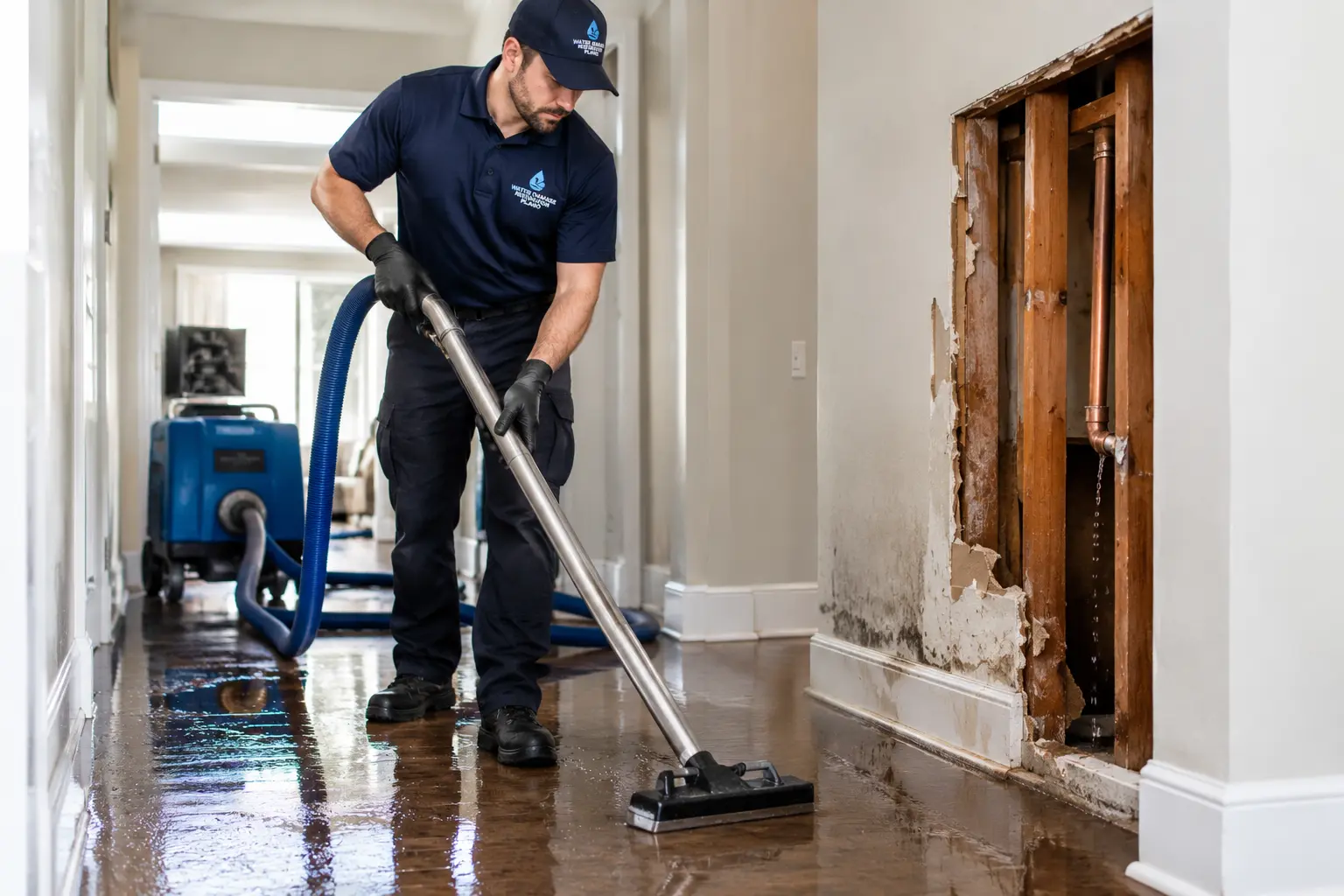
A towel, mop, or wet vacuum works for a shallow puddle on a hard floor. It is not enough once water has reached carpet pad, drywall, insulation, or a wall cavity. When a burst pipe has flooded a house to that degree, professional water extraction and drying is the safer call.
Who to Call: Plumber or Restoration Company?
You usually need both, and they do different jobs.
A plumber repairs the broken pipe. A restoration company removes the water and dries the structure. Calling only the plumber leaves the water damage untreated, and calling only the restoration company leaves the leak in place. Our post on who to call first for a burst pipe explains how the two work together.
If you would like help with the water side, our burst pipe cleanup service covers extraction, drying, and repairs.
What Not to Do After a Pipe Bursts
A few common mistakes turn a manageable leak into a larger loss.
- Do not wait to see if it dries on its own. Trapped moisture is what causes mold.
- Do not run ceiling fans or lights in rooms where water came through the ceiling.
- Do not use a household vacuum that is not rated for water.
- Do not walk through standing water near electrical sources.
- Do not paint over stains or cover wet areas, which hides moisture and invites mold.
- Do not throw away damaged items before photographing them.
- Do not assume the job is finished once the surface looks dry.
The First 24 Hours: Insurance and Drying
Call your insurance company as soon as the water is stopped. Sudden and accidental damage, such as a burst pipe, is commonly covered under a standard homeowners policy, though your deductible and policy terms still apply. Gradual leaks and poor maintenance are often treated differently.
Keep receipts for any emergency steps you take. Our guide to filing a water damage insurance claim covers the process in order.
Drying needs to start quickly. Mold can begin growing within 24 to 48 hours once materials stay damp. Clean water can also degrade into a more contaminated category if it sits, as explained in our post on the categories of water damage.
What a Professional Does After a Burst Pipe
Once you call for help, a restoration crew typically works in this order:
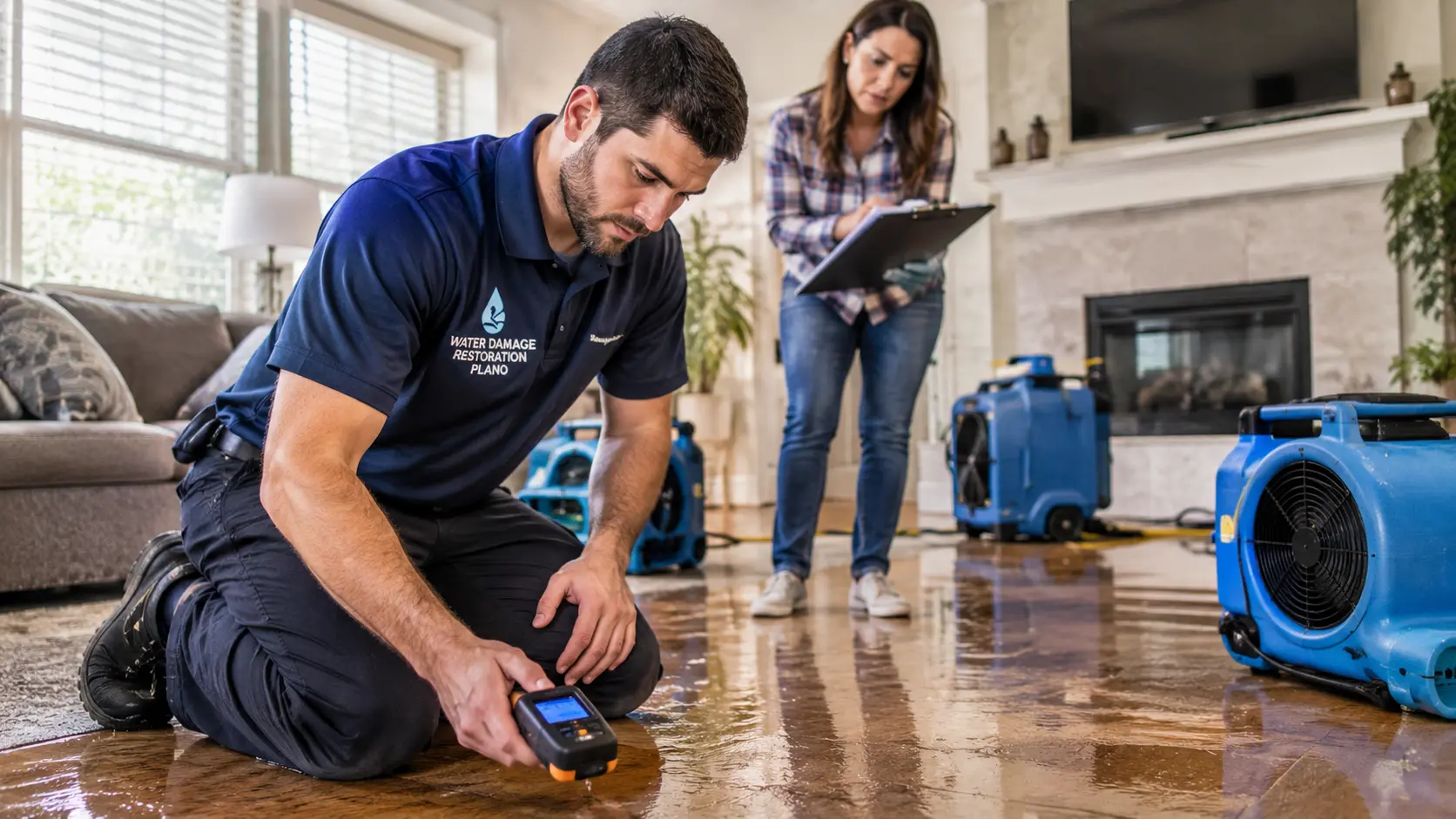
- Assess. Moisture meters and thermal imaging map where the water traveled, including inside walls and under floors.
- Extract. Pumps and extractors remove standing water.
- Remove wet materials. Saturated insulation, drywall, or carpet pad that cannot be dried is cut out.
- Dry. Air movers and dehumidifiers run while moisture readings are checked daily.
- Verify. The structure is dry only when readings reach a dry standard, not when it feels dry.
- Repair. Drywall, flooring, and finishes are restored.
Most drying takes three to five days, and our post on how long water damage takes to dry explains what affects the timeline.
If a Frozen Pipe Burst
Knowing what to do after a pipe bursts from freezing comes with one twist. A pipe often cracks during the freeze but only leaks when the ice melts and pressure returns. That is why the February 2021 winter storm sent water through so many North Texas homes during the thaw, not during the freeze itself.
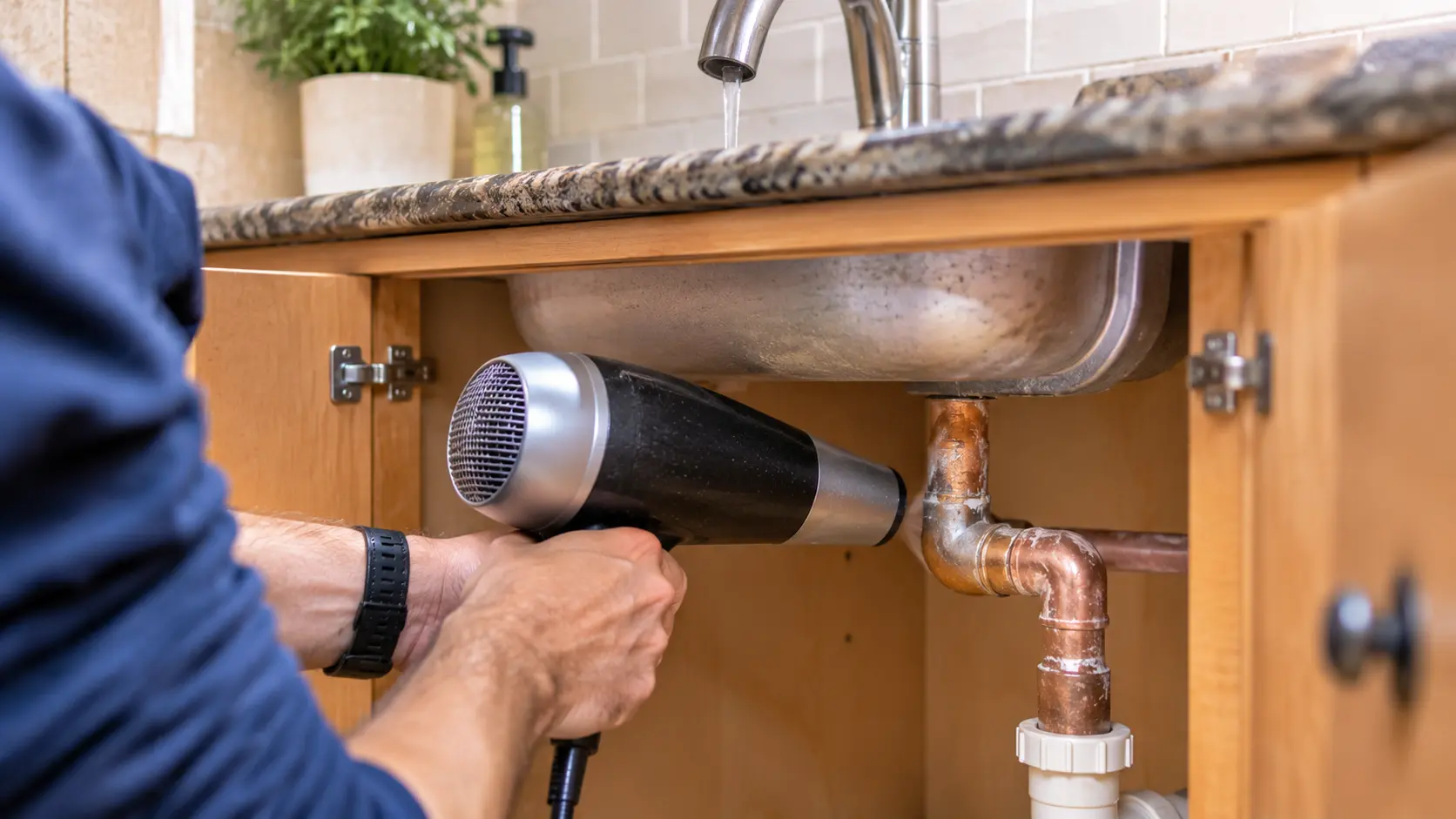
If you suspect a frozen pipe has not burst yet, open the nearest faucet and warm the pipe gently with a hair dryer or warm towels. Never use an open flame. If water suddenly appears as temperatures rise, treat it as a burst pipe and follow the steps above. Our guide on how to thaw frozen pipes covers prevention too.
Signs of Hidden Damage in the Days After
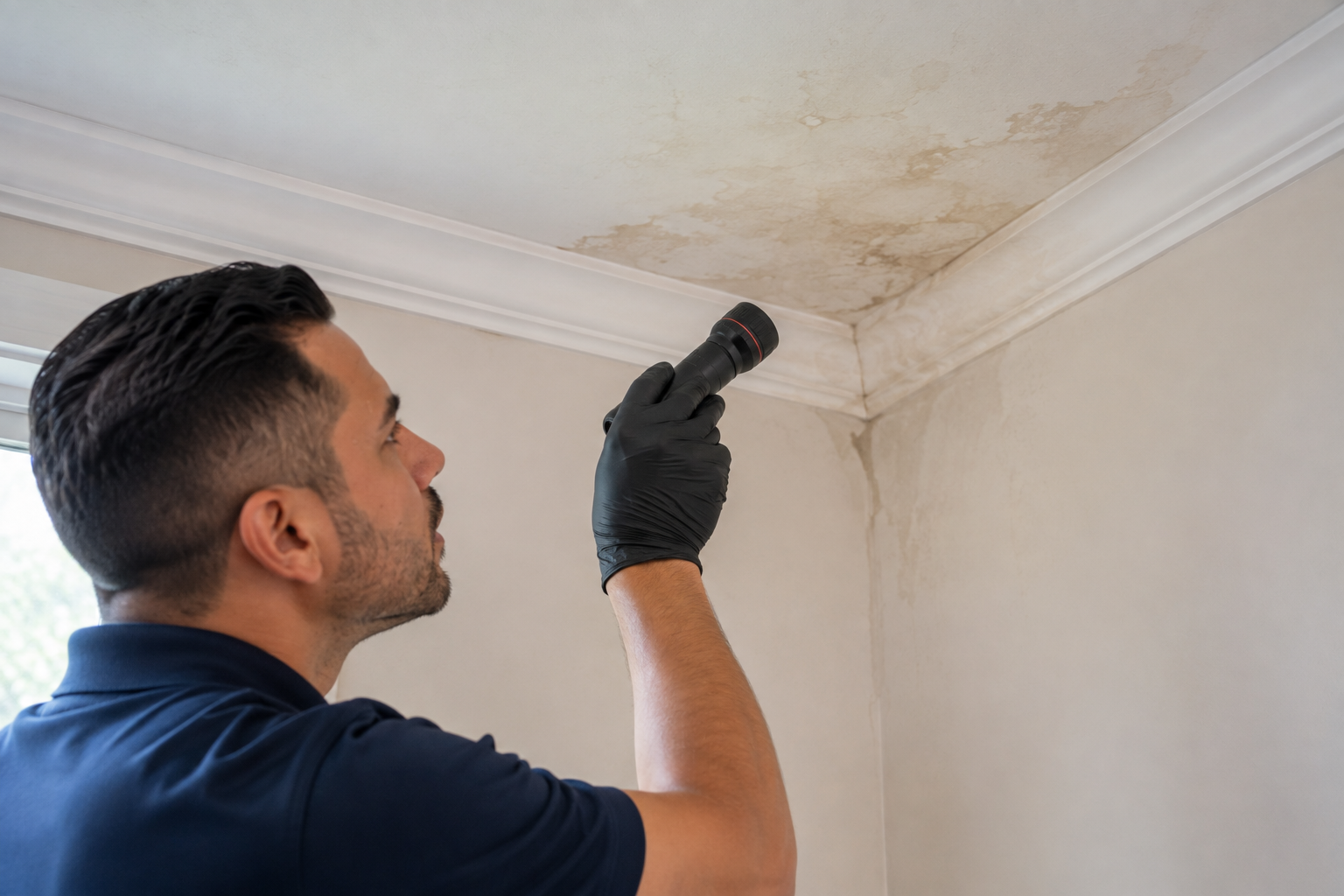
Water from a broken pipe often ends up inside walls and ceilings you cannot see. Watch for:
- A musty smell that does not go away
- Stains, bubbling paint, or warped baseboards
- Soft or sagging drywall
- A water bill that stays high after the repair
Our guides on signs of water damage in walls and signs of a burst pipe inside a wall explain what to check. If you notice a persistent odor or visible growth, learn when mold remediation becomes necessary.
What Will It Cost?
Costs depend on how much water spread, what category it was, and how fast drying began. Most projects land between about $1,400 and $6,400, with mitigation priced per square foot and rebuild priced separately. Our breakdown of water damage restoration cost shows the numbers by water category.
Frequently Asked Questions
What should I do first if a pipe bursts in my house?
Shut off the main water valve. Everything else, including documenting damage and calling for help, comes after the water is stopped.
Should I turn off the power after a pipe bursts?
Only if you can reach the breaker panel from a dry spot. If the panel is wet or near standing water, stay out and call an electrician or your utility.
How long does it take to dry after a burst pipe?
Drying typically takes three to five days, depending on how much water spread and which materials were affected. Repairs come after the structure reaches a dry standard.
Will insurance cover a burst pipe?
Sudden and accidental burst pipe water damage is commonly covered, subject to your deductible and policy terms. Check your policy or call your agent.
Can a burst pipe cause mold?
Yes. Mold can start within 24 to 48 hours if wet materials are not dried, which is why fast extraction and monitored drying matter.
Need Help Right Now?
If water is flowing or standing in your home, do not wait. Shut off the main valve, then call our water damage restoration team. We serve Plano and nearby communities, including Frisco and Allen, and we can walk you through the first steps while we are on the way.